As we age, our balance, coordination and flexibility begin to deteriorate. In combination with several other aging factors such as reduced bone density, decreases in eye vision, and lower levels of lean muscle mass, trips, slips, and falls that would have once resulted in minor scrapes and bruises could be far more dangerous, potentially resulting in broken bones and severe losses in mobility.
Fortunately, there are several ways for older adults to reduce their chances of falling and possibly breaking bones or incurring other more serious injuries. Many of the various types of exercise that are well-suited for the elderly target improvements in balance, coordination, joint flexibility, and muscular strength. With this initial criteria in mind, one type of exercise, in particular, that may be ideal for a broad range of seniors is Tai Chi.
Tai Chi Proves Beneficial in Reducing Elderly Injury Rate
Tai chi was developed in China in the 12th century. Today, it’s practiced regularly in Chinese clinics, hospitals and fitness centers, and its popularity has spread across Asia and other regions of the world, including North America.
Tai chi was originally developed as a martial art known for its series of relaxing, fluid movements intended to stimulate the mind and body. Tai chi is especially useful for older adults, since it’s an especially gentle form of martial arts that can be modified to match the physical limitations of the user.
According to TCM (Traditional Chinese Medicine), tai chi is about balancing your yin (negative energy) with your yang (positive energy). Advocates of TCM believe that an imbalance in an individual’s yin and yang can lead to all sorts of health problems, ranging from various diseases to general pain and discomfort. Although this may seem hard to believe for Western skeptics, the fact is that the physical benefits of tai chi are based on verified science.
How is Tai Chi Practiced?
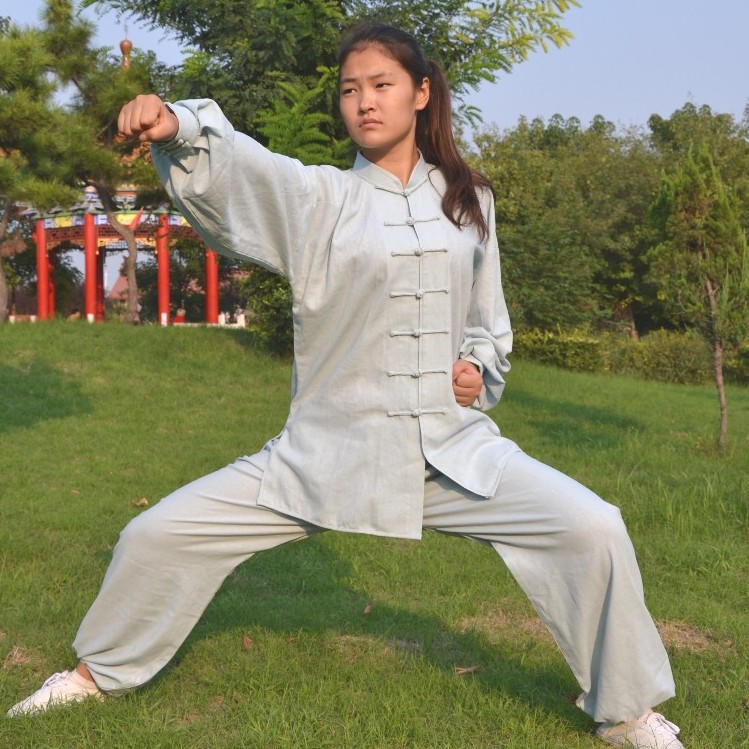
Practicing tai chi involves the slow and graceful progression through a series of defined movements, all in combination with meditation and deep breathing. All of the movements are performed at a uniform speed, with the body staying in continual motion throughout the series of movements.
Although a session of tai chi could involve dozens of different movements, the simplest routines are limited to just twelve. Each movement is given a unique name, such as “step back to repulse monkey,” “carry tiger to the mountain” and “grasp bird’s tail.”
Tai chi is often performed in a group setting, particularly in fitness centers where it’s taught in an environment similar to a yoga, Pilates or aerobics class. Tai chi can also be performed individually with the help of video guides and other forms of independent instruction.
What are the Benefits of Tai Chi for Seniors?
Modern scientific research has indicated a number of clear health benefits that can result from the regular practice of tai chi, including the following:
-
Improved balance, coordination and flexibility
-
Improved muscular strength
-
Reduced anxiety, depression and stress
-
Maintenance of bone density in post-menopausal women
-
Improved sleeping patterns
-
Increased cardiovascular fitness
-
Lower blood pressure
-
Relief of stiffness and chronic pain
-
Increased immunity to shingles
When many of these benefits are realized in combination (such as improved balance, coordination and flexibility along with maintained bone density and reduced stiffness), it’s easy to see why tai chi is beneficial for older adults. Falls will be less likely to occur, and when they do happen, they’ll be less likely to result in a serious injury.
As with any form of exercise, tai chi does have a few small risks. It can result in injury if it isn’t performed correctly, and beginners could strain themselves if they perform it too vigorously. For this reason, it’s important to talk to your doctor before starting a tai chi regimen to ensure that your body is healthy enough for this type of exercise.
It’s also a good idea to learn from a trained tai chi instructor initially if possible. Instructional videos are great for reminding tai chi exercisers of the moves, but nothing can replace the interactivity of one-on-one learning with a knowledgeable instructor.
Tai Chi for Seniors: The Bottom Line
According to the CDC (Centers for Disease Control), about one-third of Americans over the age of 65 experience one or more serious falls each year. Roughly 60% of these falls happen in the individual’s home during routine activities. These statistics are troubling, as any single fall could result in a serious injury with a long period of recovery, if rehabilitation is possible at all.
Tai chi is an excellent way to improve numerous health factors through regular, fluid, low-impact exercise. Whether you’re young or old, tai chi may be an ideal addition to your physical fitness routine.